
Japanese grow lights for seedlings are gaining traction in horticultural circles, promising superior results for burgeoning plants. This detailed analysis delves into the specifics, examining their features, benefits, and optimal use scenarios for achieving robust seedling development.
From the nuanced light spectrum to the meticulous design, Japanese manufacturers are setting a new standard for seedling cultivation. This analysis explores the factors driving this technological advancement, offering insights for discerning gardeners seeking the best possible start for their seedlings.
Introduction to Seedling Growth Lights
Seedling growth relies heavily on consistent and appropriate light exposure. Grow lights are crucial for providing the necessary light spectrum for optimal development in controlled environments, like indoor gardens and greenhouses, where natural sunlight might be insufficient or inconsistent. They allow for year-round cultivation and precise control over light intensity and duration.Light quality, specifically the wavelengths of light, plays a vital role in the seedling’s development.
This spectrum influences the rate of photosynthesis, which is essential for growth and the development of healthy seedlings. Different wavelengths within the spectrum have unique effects on the plant’s processes.
Light Spectrum Requirements for Seedlings
Light spectrum is crucial for healthy seedling growth. Different wavelengths of light impact various stages of plant development, from germination to early vegetative growth. Blue light, for example, promotes vegetative growth, while red light is critical for flowering and fruiting. A balanced spectrum mimicking natural sunlight is ideal for robust seedling development. For optimal seedling growth, grow lights should ideally produce a spectrum that encompasses the full range of wavelengths necessary for healthy development, from red to blue, with an appropriate balance between them.
A light spectrum tailored to the plant’s needs will enhance its growth and health.
Types of Grow Lights for Seedlings
Various grow lights are available, each with its own advantages and disadvantages. LED grow lights are increasingly popular due to their energy efficiency, long lifespan, and customizable spectrum. High-pressure sodium (HPS) lights are known for their high output, but they are less energy-efficient compared to LEDs and produce significant heat. Metal halide (MH) lights offer a good balance between energy efficiency and light output, providing a spectrum suitable for vegetative growth.
The choice of grow light depends on the specific needs of the seedling and the grower’s priorities, such as cost, energy efficiency, and desired spectrum.
Advantages of Japanese-Made Grow Lights
Japanese manufacturers often prioritize precision engineering and high-quality materials in their grow lights. This leads to a higher level of consistency in light output and spectrum, which can translate into more predictable and consistent growth patterns in seedlings. Japanese manufacturers also often have advanced control systems, resulting in more precise light intensity and timing settings, aiding in the development of optimal seedling environments.
This attention to detail in design and construction can be beneficial for growers seeking consistent and predictable results in their seedling cultivation.
Size and Wattage Ranges for Seedling Grow Lights
The appropriate size and wattage of a grow light depend on the size of the seedling setup and the desired growth rate. Smaller seedlings, for example, may only require a small grow light of 25 to 50 watts. Larger setups or faster growth rates may necessitate a higher wattage grow light, ranging from 100 to 400 watts. Consider the specific requirements of the seedling type and the desired growth rate when selecting the appropriate size and wattage of the grow light.
A grow light that’s too small may not provide sufficient light, while one that’s too large may be wasteful and potentially damaging to the seedlings.
Features and Benefits of Japanese Grow Lights
Japanese grow lights are gaining traction for their specialized approach to seedling development, often surpassing standard options in terms of efficiency and yield. These lights leverage cutting-edge technologies, particularly in light spectrum control, to optimize the growth process for seedlings. Their unique design elements, coupled with a focus on durability, make them an attractive investment for growers seeking high-quality results.Japanese manufacturers frequently incorporate proprietary technologies to refine light output, ensuring optimal light penetration and absorption for seedlings.
This, in turn, leads to accelerated growth and enhanced photosynthetic efficiency, contributing to a robust and healthy seedling.
Spectral Efficiency for Seedling Growth
The efficacy of a grow light is deeply tied to the spectrum of light it emits. Different wavelengths affect various stages of plant development. Seedlings, in particular, benefit from a balance of red and blue light, which promote vegetative growth and chlorophyll production. Blue light is crucial for leaf development, while red light supports stem elongation. Japanese manufacturers meticulously calibrate their lights to provide the optimal balance of these crucial wavelengths, stimulating healthy growth patterns.
Specific Features of Japanese Grow Lights
Japanese grow lights often feature advanced light emitting diode (LED) technology with tailored spectral outputs, optimizing the red and blue light ratio. This precise spectral control ensures the light is effectively absorbed by the seedlings, facilitating rapid growth. Additionally, Japanese manufacturers may employ innovative cooling systems to prevent overheating and maintain optimal light output over prolonged periods. This contributes to the lights’ longevity.
Benefits for Seedling Health and Development
Japanese grow lights frequently showcase enhanced efficacy compared to other brands. This superior performance stems from a combination of advanced LED technology, precise spectral control, and robust cooling systems. The controlled light spectrum promotes a healthy, rapid growth rate in seedlings. Consistent light exposure promotes robust root development, which is crucial for overall seedling health.
Longevity and Durability of Japanese Grow Lights
Japanese manufacturers often prioritize longevity and durability in their design. Advanced cooling systems and high-quality components are common features, reducing the risk of premature failure. The reliability of these lights allows growers to focus on other aspects of their operation, knowing the lighting system is dependable. This reduced maintenance translates into a more efficient workflow.
Unique Design Aspects for Effectiveness
Some Japanese grow lights are designed with a particular emphasis on even light distribution. This ensures consistent growth across all parts of the seedling, preventing localized growth problems or uneven development. Compact design is another potential feature, allowing for space-efficient installations, particularly in smaller grow environments. Moreover, adjustable mounting options are frequently incorporated, allowing the grower to optimize the light’s position relative to the seedlings.
Types of Japanese Grow Lights for Seedlings
Japanese grow lights are gaining traction for their effectiveness in promoting seedling growth. Their specific spectral output and adjustable features often yield impressive results in controlled environments. These lights, designed for optimal seedling development, represent a significant advancement in horticultural technology.
Comparative Analysis of Grow Light Types
Different grow lights offer varying advantages and disadvantages for seedling growth. A critical assessment of these technologies helps growers make informed decisions.
| Grow Light Type | Technology | Wattage Range (Typical) | Spectrum | Size (Typical) | Mounting Options | Pros | Cons |
|---|---|---|---|---|---|---|---|
| LED | Light Emitting Diode | 10-100W | Full spectrum or adjustable | Compact | Hanging, clamping, integrated into shelving | Energy efficient, long lifespan, minimal heat output, precise spectrum control, compact size | Initial cost may be higher, light output may be lower per wattage than other types |
| HPS (High-Pressure Sodium) | High-Pressure Sodium | 250-1000W | Warm spectrum | Larger | Hanging, sometimes integrated into fixtures | High light output, relatively low cost per wattage | Significant heat output, shorter lifespan than LEDs, limited spectrum control, larger size |
| CFL (Compact Fluorescent Lamp) | Fluorescent | 10-100W | Limited spectrum | Compact | Hanging, clamping | Relatively low cost, compact size, low heat output | Low light output, shorter lifespan than LEDs, limited spectrum control |
Notable Japanese Grow Light Brands
Japanese manufacturers consistently demonstrate a commitment to quality and innovation in horticultural lighting. Several brands stand out for their high-quality products.
- Fuji Electric: Known for its innovative and reliable LED grow lights.
- Panasonic: A recognized leader in lighting technology, applying this expertise to grow light development.
- Toshiba: Utilizing advanced technologies, Toshiba produces high-performance grow lights.
- NEC: Applying its lighting experience to horticultural solutions, NEC offers robust and effective grow lights.
Mounting Options for Grow Lights
The optimal mounting method depends on the grower’s specific needs and setup. Careful consideration of available space and desired light distribution is key.
- Hanging: Suitable for a wide range of setups, offering flexibility in light placement.
- Clamping: Allows for adjustable height and positioning, especially beneficial for vertical setups.
- Integrated Mounting: Certain fixtures incorporate grow lights directly, simplifying installation and maximizing space utilization.
Specifications and Performance Considerations
The technical specifications of a grow light play a critical role in determining its effectiveness. Specific parameters such as wattage and spectrum are crucial factors in seedling growth.
| Grow Light Type | Wattage | Spectrum | Size (Example) |
|---|---|---|---|
| LED | 20-60W | Full spectrum, adjustable | 12×12 inches |
| HPS | 400W | Warm spectrum | 24×24 inches |
| CFL | 20W | Limited spectrum | 6×6 inches |
Pros and Cons of Each Type in Seedling Growth
Choosing the right grow light depends on the specific needs of the seedlings and the overall grow environment.
- LEDs excel in energy efficiency and longevity, offering precise spectrum control for optimal seedling development. However, the initial cost may be higher compared to other options.
- HPS units provide high light output, but the significant heat produced necessitates careful ventilation. They are a cost-effective option, but their shorter lifespan and limited spectrum control are important considerations.
- CFLs offer a relatively inexpensive and compact option, suitable for smaller setups. However, their limited spectrum and lower light output might hinder growth in larger seedlings.
Light Spectrum and Seedling Development
The proper light spectrum is crucial for optimal seedling growth. Seedlings, in their early stages, require specific wavelengths of light to initiate vital processes like photosynthesis and development. This spectrum influences everything from chlorophyll production to stem elongation, ultimately affecting the overall health and vigor of the young plant. Understanding the interplay between light spectrum, intensity, and duration is essential for maximizing seedling growth in controlled environments.
Optimal Light Spectrum for Different Seedling Stages
Seedling development progresses through distinct phases, each with unique light requirements. A tailored light spectrum can significantly enhance growth during these phases.
| Seedling Stage | Optimal Light Spectrum (nm) | Explanation |
|---|---|---|
| Germination | 400-700 nm (red, blue) | Red and blue light are particularly important during this stage as they promote germination and early root development. High-intensity light is generally not recommended as it can stress young seedlings. |
| Early Growth | 400-700 nm (red, blue, and some green) | As seedlings grow, they require a balance of red and blue light to promote leaf development and stem elongation. Green light, while less effective for photosynthesis, can contribute to overall plant structure. |
| Active Growth | 400-700 nm (red, blue, and some green) | At this stage, seedlings require a balanced spectrum for vigorous leaf expansion and stem development. |
Impact of Light Wavelengths on Seedling Growth
Different light wavelengths have distinct effects on seedling growth and development.
- Red light (660-730 nm): Crucial for photosynthesis, promoting stem elongation and flowering in later stages.
- Blue light (400-500 nm): Essential for chlorophyll production, leaf development, and overall seedling structure. High blue light ratios can lead to more compact growth.
- Green light (500-600 nm): While less effective for photosynthesis, green light can influence overall plant structure.
Understanding the specific effects of each wavelength allows growers to tailor light environments to specific seedling needs. For example, high blue light exposure can lead to denser, more compact seedlings, ideal for certain crops.
Impact of Light Intensity on Seedling Growth Rate and Health
Light intensity directly affects seedling growth rate and health. Adequate light intensity is essential for photosynthesis, enabling the plant to produce energy for growth and development. Too little light can result in stunted growth, while excessive light can damage seedlings. The optimal light intensity varies depending on the type of seedling and the specific grow light.
Optimal light intensity is typically measured in micromoles per square meter per second (µmol/m²/s).
Relationship Between Light Duration and Seedling Growth
Light duration, also known as photoperiod, significantly influences seedling growth. The length of daily light exposure affects flowering, growth cycles, and the overall health of the seedling. Proper photoperiod management is critical for successful seedling development.
For example, short-day plants require shorter periods of light to flower, while long-day plants require longer periods.
Comparison of Spectrum Output from Various Japanese Grow Lights
Different types of Japanese grow lights produce varying light spectra. This table compares the typical spectrum output of several popular models.
| Grow Light Type | Dominant Wavelengths (nm) | Suitable for |
|---|---|---|
| LED Grow Lights (Red and Blue spectrum) | Red (660-730 nm), Blue (400-500 nm) | General seedling growth, promoting chlorophyll production, and overall structure |
| Metal Halide Grow Lights | Broad spectrum (400-700 nm) | More suitable for later stages of seedling growth, as they offer a more balanced spectrum |
| High-Pressure Sodium (HPS) Grow Lights | Warm-spectrum (500-670 nm) | Often used in conjunction with other light sources, to supplement growth. |
Setting Up and Maintaining Japanese Grow Lights
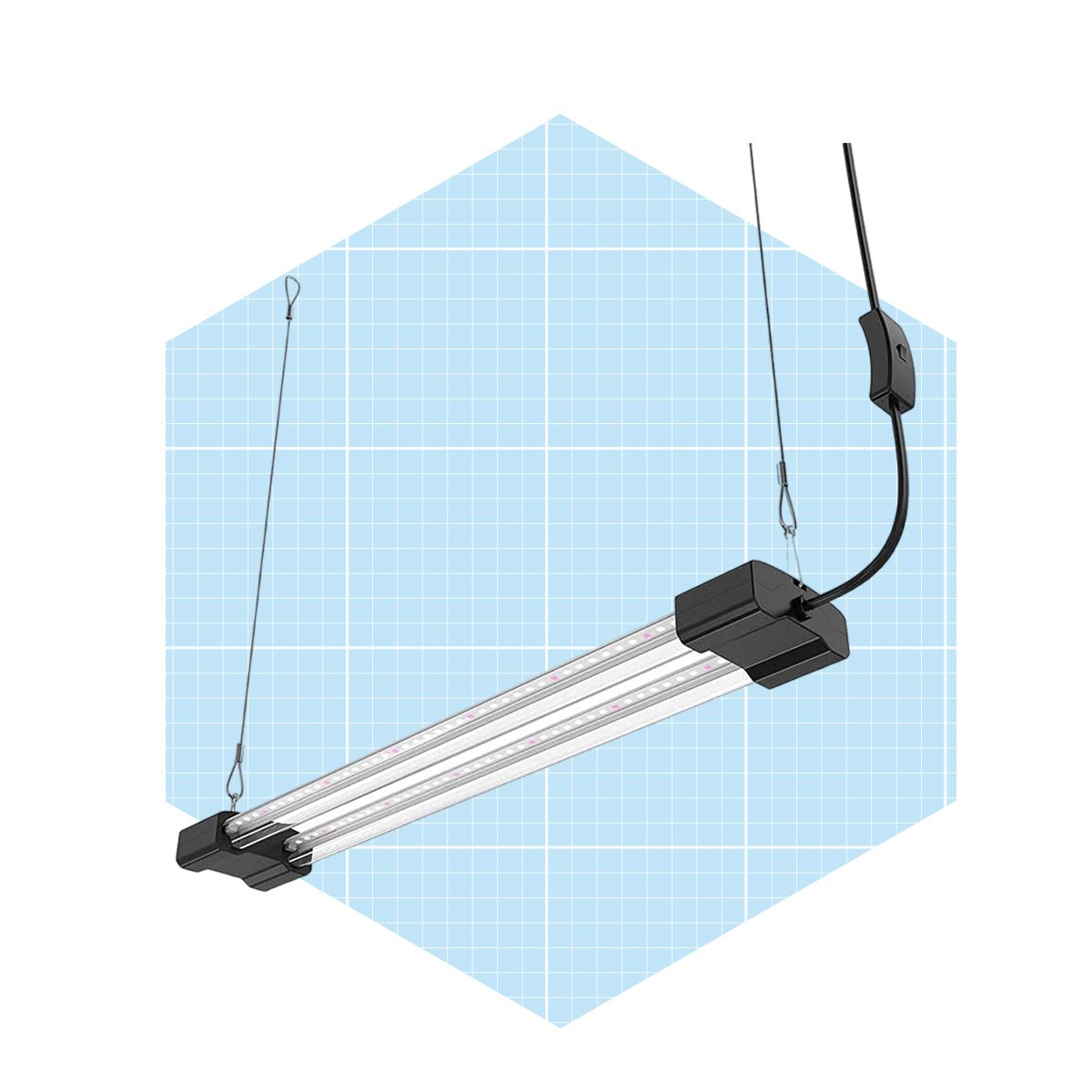
Japanese grow lights offer precise spectral control, crucial for optimal seedling development. Proper setup and maintenance are paramount to maximizing the benefits of these advanced systems. Neglecting these aspects can lead to stunted growth and reduced yields. Careful attention to light intensity, spectrum adjustment, and ventilation is essential for a thriving seedling environment.
Installation Steps
A systematic approach to installation ensures efficient light deployment and prevents potential damage. First, ensure the designated growing space is prepared. This includes verifying proper electrical connections and establishing a stable mounting structure. Next, carefully attach the grow light fixture to the chosen mounting points, adhering to manufacturer specifications. Ensure secure mounting to prevent accidents during operation.
Finally, position the light fixture at the optimal distance from the seedlings, often determined by the specific grow light type and seedling species. A detailed setup guide from the manufacturer is highly recommended.
Essential Tools for Installation and Maintenance
Efficient installation and ongoing maintenance rely on the right tools. These tools include but are not limited to a Phillips head screwdriver, wire strippers, a voltage tester, and a measuring tape. For more complex installations, specialized tools might be required. Safety precautions are paramount, especially when working with electrical components. A well-equipped toolkit ensures smooth operation and minimizes potential hazards.
Adjusting Light Intensity and Spectrum
Seedling growth stages necessitate adjustments in light intensity and spectrum. Early seedling stages require lower light intensity to avoid photoinhibition. As seedlings mature, gradually increase the light intensity to promote growth and development. Seedlings can also be exposed to varying light spectra to optimize photosynthesis and nutrient absorption. For instance, a higher blue light spectrum can be used for vegetative growth, while a higher red light spectrum promotes flowering.
Monitoring growth patterns closely and adjusting light parameters accordingly is crucial.
Ventilation Considerations
Proper ventilation is vital to maintain an optimal growing environment. High-intensity grow lights generate heat, which can negatively impact seedling health. Adequate air circulation prevents overheating, ensuring seedlings receive adequate oxygen and reducing the risk of fungal infections. Fans, vents, and strategically placed air channels are essential to maintain appropriate temperature and humidity levels. Ensuring proper airflow directly beneath and around the grow lights is paramount.
Maintenance Schedule
Regular maintenance is key to maintaining optimal performance and preventing potential issues. A recommended maintenance schedule includes cleaning the light fixtures every 2-4 weeks to remove dust and debris, which can hinder light transmission. Additionally, inspect the electrical connections regularly for any signs of damage or degradation. Regular checks on the ventilation system and its functionality are also crucial to ensure optimal air circulation.
Following a proactive maintenance schedule will extend the lifespan of the grow lights and ensure optimal seedling growth.
Choosing the Right Grow Light for Your Seedlings
Selecting the optimal grow light for seedlings is crucial for healthy growth and robust yields. Proper illumination, tailored to the specific needs of the seedlings, directly impacts their development and eventual success. Factors like light spectrum, intensity, and duration play a pivotal role in maximizing growth potential.Understanding the unique requirements of different seedling types and growth stages is essential for successful cultivation.
This knowledge empowers growers to select lighting solutions that provide the ideal conditions for rapid, healthy growth, ensuring a strong foundation for future plant development.
Factors to Consider When Selecting a Grow Light
Choosing the right grow light involves careful consideration of several key factors. A well-informed decision considers the size of the growing space, the budget, and the specific needs of the seedling varieties.
| Factor | Description | Impact on Seedlings |
|---|---|---|
| Grow Space Size | The area available for seedling growth dictates the size and wattage of the light fixture. | A smaller space may only need a compact fixture, whereas a larger space may require multiple lights. |
| Budget | Grow lights vary significantly in price depending on features, technology, and wattage. | Budget constraints may necessitate a less sophisticated, but still effective, option. |
| Seedling Type | Different seedlings have varying light requirements. | Understanding these requirements is crucial for ensuring optimal growth. |
| Light Spectrum | The range of wavelengths in the light emitted by the grow light. | Specific wavelengths can promote different stages of growth (e.g., vegetative vs. flowering). |
| Light Intensity | The power output of the light source, measured in lumens. | Higher intensity is needed for larger spaces and faster growth rates. |
| Light Duration | The length of time the lights are on each day. | Adjusting the light duration can influence growth stages and flowering times. |
Considerations for Different Seedling Types
Different seedling types have varying light requirements. This knowledge allows for the selection of the most suitable lighting solutions to promote optimal growth and development.
- Lettuce and leafy greens: These seedlings generally require a balanced spectrum with a slightly higher blue light component to promote leaf development. This ensures a vibrant and healthy green hue, crucial for their culinary appeal.
- Herbs: Similar to leafy greens, herbs benefit from a balanced spectrum with emphasis on blue light for robust leaf growth. Adequate light intensity is vital for promoting a strong and healthy herb plant.
- Tomatoes: Tomatoes require a balanced spectrum with a higher red light component for fruit development. The light intensity and duration should be adjusted to accommodate the tomato plant’s growth cycle.
- Peppers: Peppers, like tomatoes, require a balanced spectrum with a higher red light component for optimal fruit development. The specific light requirements can vary based on the pepper variety.
Importance of Understanding Light Requirements
Understanding the specific light requirements of various seedling varieties is paramount for success. A thorough understanding of light needs, tailored to the particular variety, ensures optimal growth and yields. Mismatched light conditions can lead to stunted growth, weaker plants, and ultimately, lower yields.
Full Spectrum vs. Supplemental Grow Lights
Full spectrum grow lights emit a wide range of wavelengths, mimicking natural sunlight. Supplemental grow lights, on the other hand, provide specific wavelengths to enhance certain stages of growth.
- Full Spectrum: Mimicking natural sunlight, these lights offer a balanced range of wavelengths, supporting all growth stages. They are ideal for general seedling cultivation where a comprehensive spectrum is required.
- Supplemental: These lights focus on specific wavelengths to optimize particular growth stages. For example, red light enhances flowering, while blue light promotes vegetative growth.
Light Intensity and Duration
Selecting a light with appropriate intensity and duration is crucial for seedling development. The intensity should be sufficient to support the seedlings’ growth needs, while the duration should be adjusted to promote healthy growth patterns.
- Intensity: Higher intensity is needed for faster growth rates and larger spaces. Low intensity can hinder growth and development, resulting in weaker plants and reduced yields.
- Duration: Seedlings require specific light durations to promote growth. Adequate light exposure is essential to maintain healthy development throughout their growth cycle. The ideal duration can vary depending on the type of seedling and the environment.
Environmental Factors Affecting Seedling Growth
Microclimates are critical for the delicate stages of seedling development. Optimizing temperature and humidity levels alongside proper light exposure are key factors in fostering robust and healthy seedlings, ultimately contributing to higher yield and success rates. These environmental conditions directly impact germination, growth rate, and overall seedling vigor.
Temperature Regulation for Optimal Growth
Temperature significantly influences the metabolic processes of seedlings. Each species has specific temperature ranges for optimal growth. Maintaining the ideal temperature is crucial for successful germination and subsequent development. Excessively high or low temperatures can lead to stunted growth, disease susceptibility, and even death. For instance, a tomato seedling exposed to freezing temperatures will likely not survive.
Conversely, excessively warm temperatures can cause stress and inhibit growth in certain species. Seedlings exhibit varying temperature sensitivities based on their origin and developmental stage.
Humidity Management for Healthy Seedlings
Maintaining proper humidity is equally vital for seedling survival. High humidity provides the necessary moisture for cell expansion and prevents desiccation, especially crucial during the early stages of growth. However, excessive humidity can promote fungal diseases, leading to seedling mortality. Finding the balance between sufficient moisture and avoiding excessive humidity is paramount. The ideal humidity range varies with species and growth stage, with many seedlings thriving in a range of 60-75%.
Excessive moisture can also lead to root rot, highlighting the need for careful monitoring.
Monitoring Environmental Conditions
Regular monitoring of temperature and humidity is essential for ensuring optimal seedling development. Simple instruments like digital thermometers and hygrometers are readily available and provide accurate readings. Monitoring tools can help identify potential issues early on, allowing for timely adjustments to prevent problems. Real-time data acquisition through sensors connected to mobile devices can be helpful in providing comprehensive environmental information.
This information can be crucial in adjusting conditions to match specific seedling requirements.
Comparative Effects of Different Environments
Different environmental conditions can significantly impact seedling growth under grow lights. For instance, a consistently cool, humid environment can promote faster growth in some species compared to a drier, warmer environment. The specific growth response depends on the seedling’s genetic makeup and the environmental factors at play. Consistent monitoring and adjustments are crucial for optimal results. Growers can adapt their approach based on the observed growth patterns.
Table of Environmental Needs for Various Seedlings
| Seedling Type | Optimal Temperature (°C) | Optimal Humidity (%) | Notes |
|---|---|---|---|
| Lettuce | 18-24 | 60-70 | Prefers cooler temperatures and moderate humidity. |
| Tomato | 20-27 | 50-60 | Tolerates warmer temperatures and lower humidity. |
| Pepper | 20-28 | 55-70 | Similar needs to tomato, but can tolerate slightly higher temperatures. |
| Spinach | 15-22 | 60-75 | Thrives in cooler temperatures and higher humidity. |
| Basil | 20-25 | 60-70 | Prefers moderate temperatures and humidity. |
Note: These are general guidelines. Specific needs may vary depending on the variety and growing conditions.
Growing Different Seedlings with Japanese Grow Lights
Japanese grow lights, particularly those optimized for seedling growth, offer a controlled environment crucial for robust early development. These lights, with their spectrum-specific design, can significantly impact the success rate of various crops, particularly in controlled settings like greenhouses or indoor gardens. Properly calibrated light exposure and intensity, tailored to the specific needs of each seedling type, are paramount for achieving optimal growth.Different plant types have varying light requirements during the seedling stage.
Optimal growth necessitates a precise balance of light intensity, duration, and spectrum. This tailored approach ensures seedlings develop robust root systems and strong, healthy stems.
Light Requirements for Different Seedling Types
Understanding the specific light needs of various seedlings is critical for successful growth. Different species demand varying intensities and durations of light exposure to flourish. A crucial aspect is the light spectrum. Red and blue light are particularly important for seedling growth.
- Tomatoes require high-intensity light for healthy foliage development and fruit production. Their seedlings benefit from a combination of red and blue light to support rapid stem elongation and leaf expansion. Early exposure to strong light promotes vigorous root development and faster germination, leading to more robust seedlings.
- Peppers, like tomatoes, also thrive under high-intensity light. They need a balance of red and blue light, similar to tomatoes, but the duration of light exposure can influence the plant’s growth habit and the eventual size and yield of the pepper fruit. Consistent light promotes a healthy, vigorous root system and optimal leaf growth.
- Herbs, such as basil and cilantro, require a moderate light intensity and duration to prevent leggy growth. A spectrum rich in blue light encourages dense foliage. The correct light exposure ensures healthy, compact seedlings with vibrant foliage, ideal for transplanting.
Light Intensity and Duration for Healthy Development
Light intensity, measured in micromoles per square meter per second (µmol/m²/s), plays a critical role in seedling development. Higher intensity encourages faster growth, but excessive intensity can cause damage. The duration of light exposure, or photoperiod, also significantly impacts seedling development, influencing stem elongation, leaf expansion, and overall plant structure.
- Optimal light intensity for tomato and pepper seedlings is typically in the range of 150-250 µmol/m²/s. Prolonged exposure to lower intensities can result in elongated stems and reduced leaf development. Conversely, excessive light intensity can lead to leaf damage or inhibit growth. Optimal duration for these plants typically ranges from 16-18 hours of light.
- Herbs, like basil and cilantro, require slightly lower light intensity, generally between 100-150 µmol/m²/s, to prevent leggy growth. They flourish with a photoperiod of 12-14 hours, allowing them to maintain a compact growth habit.
Optimizing Light Exposure Based on Plant Variety
Tailoring light exposure to the specific needs of each seedling variety is crucial for achieving optimal growth. Light-intensive varieties need higher intensity and duration than light-sensitive ones.
- Tomato and pepper seedlings, being more demanding, require a stronger light source for rapid growth. Monitoring their response to light exposure is essential. Gradually increasing light intensity and duration can help seedlings adapt and thrive.
- Herbs, with their more moderate requirements, can be grown under slightly lower light intensity and duration. A balance between light and dark is key to prevent stretching and maintain compact growth.
Using Grow Lights for Different Seedling Types
Different grow light setups can be employed to cater to the diverse needs of seedlings. The choice of light fixture and positioning depends on the seedling type and the desired growth outcome.
- For tomatoes and peppers, high-intensity LED grow lights, placed at a moderate distance from the seedlings, can provide the necessary light intensity and spectrum. Regular monitoring is key to ensuring seedlings are not receiving excessive light.
- For herbs, a more diffused light source, such as a combination of LED grow lights or fluorescent lights, can be used. Positioning the lights at a slightly greater distance will prevent the seedlings from receiving excessive light.
Troubleshooting Common Grow Light Issues
Japanese grow lights, crucial for seedling development, can encounter problems. Understanding these issues and their solutions is vital for maintaining healthy seedlings and maximizing yield. Proper diagnosis and swift corrective actions are key to ensuring optimal light delivery and preventing setbacks in the seedling growth cycle.
Potential Problems with Japanese Grow Lights
Japanese grow lights, like other horticultural lighting systems, can experience a range of issues. These problems can stem from various factors, including improper setup, environmental conditions, or even manufacturing defects. Identifying the root cause is crucial for effective troubleshooting.
Overheating
Excessive heat buildup can damage seedlings and the grow light itself. Several factors can contribute to overheating, including inadequate ventilation, poor heat dissipation, or placing the light too close to the seedlings. Proper spacing and airflow are essential for maintaining optimal temperatures. Using a thermometer to monitor the temperature around the seedlings is recommended.
Uneven Light Distribution
Variations in light intensity across the seedling tray can hinder uniform growth. This uneven distribution may arise from various factors, including incorrect placement of the light, the use of a poorly designed reflector, or the presence of obstructions. Careful positioning of the light fixture and the use of diffusers can mitigate this issue.
Flickering or Dimming
Fluctuations in light output can disrupt seedling development. Flickering or dimming can be caused by electrical issues in the power supply or potential problems within the light fixture itself. Checking the electrical connections and ensuring a stable power supply are important steps in resolving this issue.
Light Failure
Grow lights, like any electronic device, are susceptible to failure. This could manifest as a complete loss of light output or gradual dimming. Diagnosing the cause of the failure may require checking the power cord, the ballast, or the light bulbs themselves. A qualified electrician or a professional specializing in grow lights should be consulted for more complex issues.
Preventive Measures for Grow Light Problems
Implementing preventative measures can significantly reduce the likelihood of grow light problems. Maintaining the grow light in a clean and dry environment, ensuring proper ventilation, and regularly inspecting the electrical connections can help. Using a surge protector to safeguard against power fluctuations is also recommended.
Troubleshooting Steps for Malfunctioning Grow Lights
In case of a malfunction, systematic troubleshooting is essential. First, unplug the grow light from the power source. Check the electrical connections for any damage or loose wires. If the problem persists, consult the manufacturer’s instructions or a qualified technician. Never attempt to repair the grow light yourself if you lack the necessary expertise.
Replacing a faulty grow light with a new one might be necessary.
Importance of Regular Maintenance
Regular maintenance is crucial for extending the lifespan and performance of Japanese grow lights. Regular cleaning, checking for damage, and ensuring proper ventilation will help prevent issues and keep the light operating efficiently. Following manufacturer recommendations for maintenance procedures is important.
Cost-Effectiveness and Value Proposition
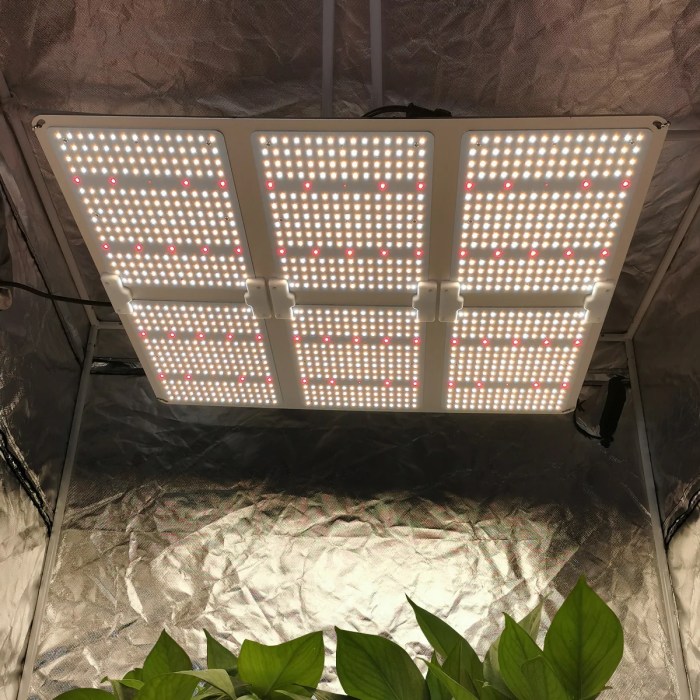
Japanese grow lights for seedlings offer a compelling value proposition, balancing cost with quality and performance. While initial investment might appear higher compared to some budget options, the long-term return on investment can be substantial, making them a worthwhile choice for serious growers. Understanding the factors influencing price and comparing them to other brands is crucial for making an informed decision.
Comparative Cost Analysis
Japanese grow lights, while sometimes perceived as premium, are not uniformly expensive. A comparative analysis reveals a spectrum of pricing, influenced by factors like wattage, spectrum, and brand reputation. Direct comparisons with Chinese or other Asian brands, as well as American counterparts, demonstrate varying price points. For instance, a 100-watt Japanese LED grow light may cost more than a comparable light from a budget brand, but the superior quality and long-term efficiency can outweigh the initial investment.
Long-Term Value Proposition
Investing in Japanese grow lights for seedlings offers a substantial long-term value proposition. The superior quality often translates into a longer lifespan, reducing the need for frequent replacements. This translates into significant cost savings over time compared to cheaper, less durable lights that may need replacement every few years. Furthermore, the optimal light spectrum for seedling growth often results in quicker growth cycles and higher yields, further amplifying the return on investment.
Return on Investment (ROI)
The ROI of Japanese grow lights is contingent upon factors like cultivation scale, plant type, and the overall efficiency of the growing environment. For commercial growers or those with extensive indoor setups, the potential ROI is substantially higher. Higher yields and faster growth cycles from improved light quality can result in a quicker return on the initial investment, particularly when compared to slower-growing seedlings or plants requiring supplemental lighting.
Relationship Between Cost and Quality
The relationship between cost and quality in Japanese grow lights is generally positive. Higher-quality components, including LEDs and heat sinks, often result in more robust and efficient lighting systems. This translates into longer operational lifespans and better light penetration. High-quality Japanese grow lights often come with advanced features such as adjustable lighting settings, enabling precise control over light intensity and spectrum for optimal seedling growth.
Factors Influencing Light Price
Several factors influence the price of Japanese grow lights. The quality and type of LEDs used, the design and construction of the fixture, the warranty offered, and the level of research and development behind the light’s spectrum are all key determinants. Advanced features, such as adjustable light intensity or multiple spectrum modes, can add to the overall cost.
Additionally, brand recognition and reputation within the horticultural industry play a role in determining the final price.
Safety Precautions for Using Grow Lights
Cultivating seedlings with grow lights offers significant advantages, but proper safety precautions are crucial. Neglecting these can lead to electrical hazards, fire risks, and even personal injury. Adhering to these safety measures ensures a safe and productive environment for your seedlings.Ensuring safe operation of grow lights is paramount. Ignoring safety protocols can lead to undesirable consequences, ranging from minor inconveniences to severe risks.
A comprehensive understanding of safety measures and adherence to them are vital for a successful and secure growing experience.
Electrical Safety Measures
Proper electrical safety is essential when using grow lights. Improper handling of electrical components can result in electric shocks or fires. A faulty electrical system in the grow light setup can have serious consequences.
- Regular Inspections: Regularly inspect the grow light fixture and cord for any signs of damage, such as frayed wires, cracks, or loose connections. Damaged components should be replaced immediately to prevent electrical hazards. This preventive measure safeguards against potential shocks or fire hazards.
- Grounding: Ensure the grow light is properly grounded. This prevents electrical shocks and reduces the risk of electrical malfunctions. Using a properly grounded outlet ensures safety during operation.
- Overload Protection: Use a surge protector or power strip designed for high-wattage equipment. This protects the grow lights and other connected devices from surges or spikes in voltage, preventing damage or fire hazards. It’s a crucial step to safeguard equipment from electrical fluctuations.
Ventilation and Heat Management
Adequate ventilation is critical to prevent overheating, which can lead to damage to the grow lights or pose a fire risk. The heat generated by grow lights needs to be dissipated effectively.
- Proper Airflow: Ensure adequate airflow around the grow lights to dissipate heat. Overheating can lead to significant issues, such as damage to the equipment or even a fire hazard. Air circulation is crucial for preventing heat buildup and maintaining a safe operating temperature.
- Placement: Do not place grow lights too close to flammable materials or other heat-sensitive items. Maintaining a safe distance from flammable materials is essential to prevent fire hazards.
- Heat-Resistant Surfaces: Use heat-resistant surfaces or materials to support the grow lights. Using appropriate support structures prevents the spread of heat and the potential for fires. This is vital for preventing heat damage to surrounding areas.
Emergency Procedures
Knowing what to do in case of an electrical malfunction is critical.
- Immediate Disconnection: If you detect any electrical malfunction, immediately disconnect the grow light from the power source. This immediate action is crucial to prevent further damage or injury.
- Professional Assistance: If the problem persists or you are unsure how to proceed, contact a qualified electrician for assistance. Professional help is necessary for handling complex electrical issues and ensuring safety.
Potential Hazards of Improper Use
Improper use of grow lights can create various hazards.
- Electrical Fires: Overheating, faulty wiring, and improper ventilation can lead to electrical fires. Electrical fires can be disastrous and require immediate attention.
- Burns: Touching overheated grow lights or components can cause burns. Burns can be painful and require medical attention.
- Eye Damage: Direct exposure to the intense light emitted by grow lights can cause eye damage. Protecting your eyes is essential for avoiding eye damage.
Wrap-Up
Ultimately, choosing the right Japanese grow light for seedlings hinges on careful consideration of space, budget, and specific plant needs. This analysis has highlighted the crucial role of light spectrum, intensity, and duration in seedling health and growth. By understanding these factors, growers can harness the power of these innovative lights to cultivate strong, healthy seedlings.
